Art Photography in Museums: The Role of Editorial Photography
HM
Introduction to Art Photography in Museums
Art photography in museums serves a unique role in capturing and conveying the essence of artworks to a broader audience. Through the lens of a skilled photographer, the nuances of form, color, and emotion are preserved and shared beyond the physical confines of museum walls.
Editorial photography plays a critical role in this process, providing context and narrative that enhance the viewer's experience. By blending artistry with storytelling, editorial photographers offer a fresh perspective on traditional art forms.
The Essence of Editorial Photography
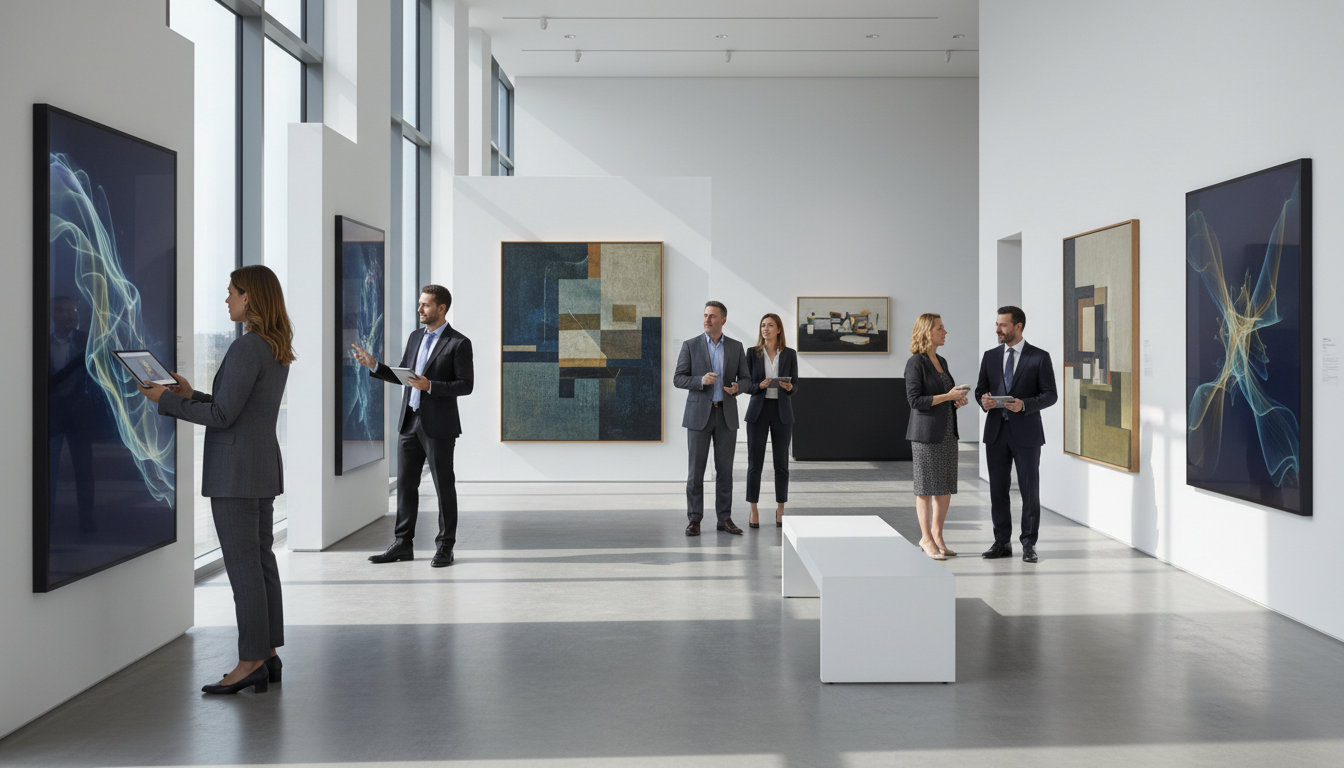
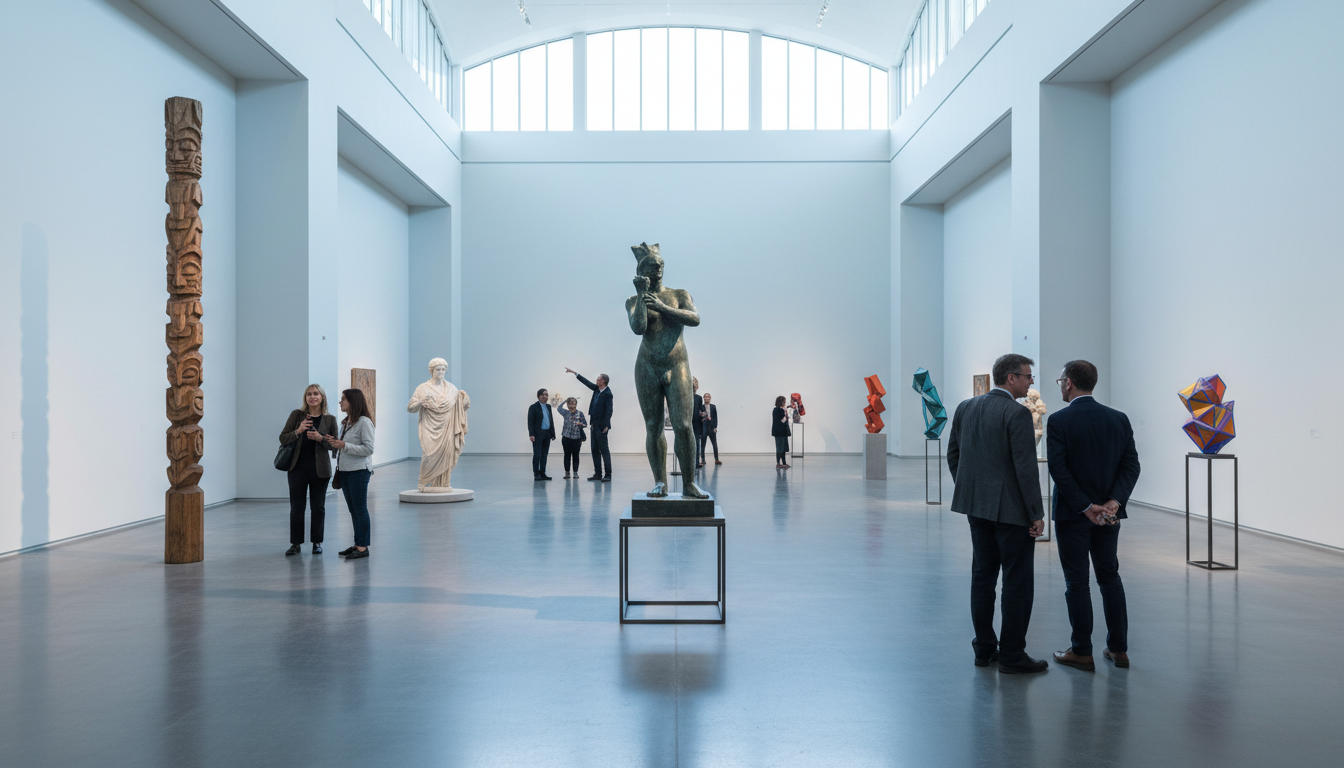
Editorial photography is distinguished by its ability to tell a story. In the context of museums, this means capturing not just the artwork, but the atmosphere, the light, and the interactions between art and viewers. This storytelling aspect can bring artworks to life, offering new interpretations and insights.
Such photography often accompanies articles, catalogs, and exhibitions, providing a visual narrative that complements the written word. This synergy between text and image enriches the viewer's understanding and appreciation of the art.

Techniques and Approaches
Successful editorial photographers employ various techniques to capture the essence of artworks. Some focus on close-ups to highlight texture and detail, while others prefer wide-angle shots to convey the scale and ambiance of an exhibition space.
Lighting plays a crucial role in editorial photography. By manipulating natural and artificial light, photographers can emphasize certain elements, create mood, and guide the viewer's eye through the photograph.
Challenges in Museum Photography
Photographing in museums presents unique challenges. Photographers must often work under strict lighting conditions and without the use of flash, which requires skillful adaptation to available light sources. Additionally, capturing artwork without distortion or reflection can be difficult, necessitating the use of specialized equipment and techniques.
The Role of Technology
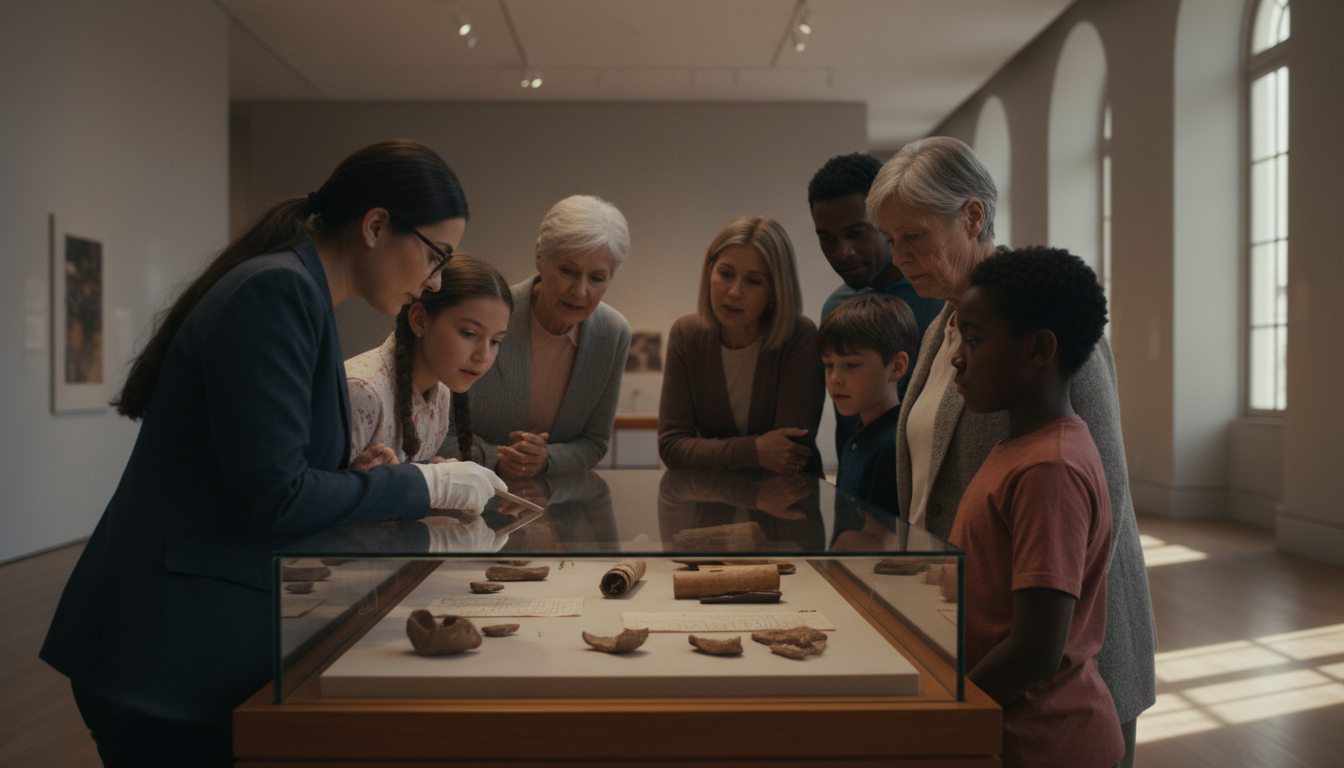
Advancements in technology have significantly impacted art photography in museums. High-resolution cameras and editing software allow photographers to capture and refine images with incredible detail and accuracy. Digital platforms also offer new ways to share and experience these images, reaching audiences worldwide.
Virtual tours and online exhibitions have become increasingly popular, especially in recent years, providing access to museum collections for those unable to visit in person. Editorial photography is at the heart of these digital experiences, ensuring that the art is presented in its best light.
Conclusion
Art photography in museums, particularly through the lens of editorial photographers, plays an essential role in preserving and sharing the cultural significance of artworks. By combining technical skill with creative storytelling, photographers enhance our understanding and appreciation of art in ways that words alone cannot achieve.
As technology continues to evolve, so too will the methods and impact of editorial photography, offering exciting possibilities for the future of art presentation and appreciation.