Exploring Editorial Photography: Techniques for Museum Exhibits
HM
Understanding Editorial Photography
Editorial photography plays a crucial role in storytelling within museum exhibits. By capturing the essence of an artifact or a scene, photographers help convey narratives and evoke emotions. This art form goes beyond mere documentation; it serves as an interpretive tool that enhances the viewer's experience.
When exploring editorial photography for museums, it's essential to consider the story you want to tell. Each photograph should contribute to the overarching theme of the exhibit, creating a cohesive and immersive experience for visitors.

Techniques for Capturing Museum Artifacts
To effectively photograph museum artifacts, photographers must focus on lighting, composition, and context. Proper lighting highlights the intricate details of an object, while composition guides the viewer's eye and adds depth to the photograph.
When dealing with delicate artifacts, it's crucial to use non-intrusive lighting techniques. Soft, diffused light often works best to prevent harsh shadows and reflections. Additionally, consider the context in which the artifact is displayed. Including elements of the surrounding environment can provide valuable context.
Incorporating Human Elements
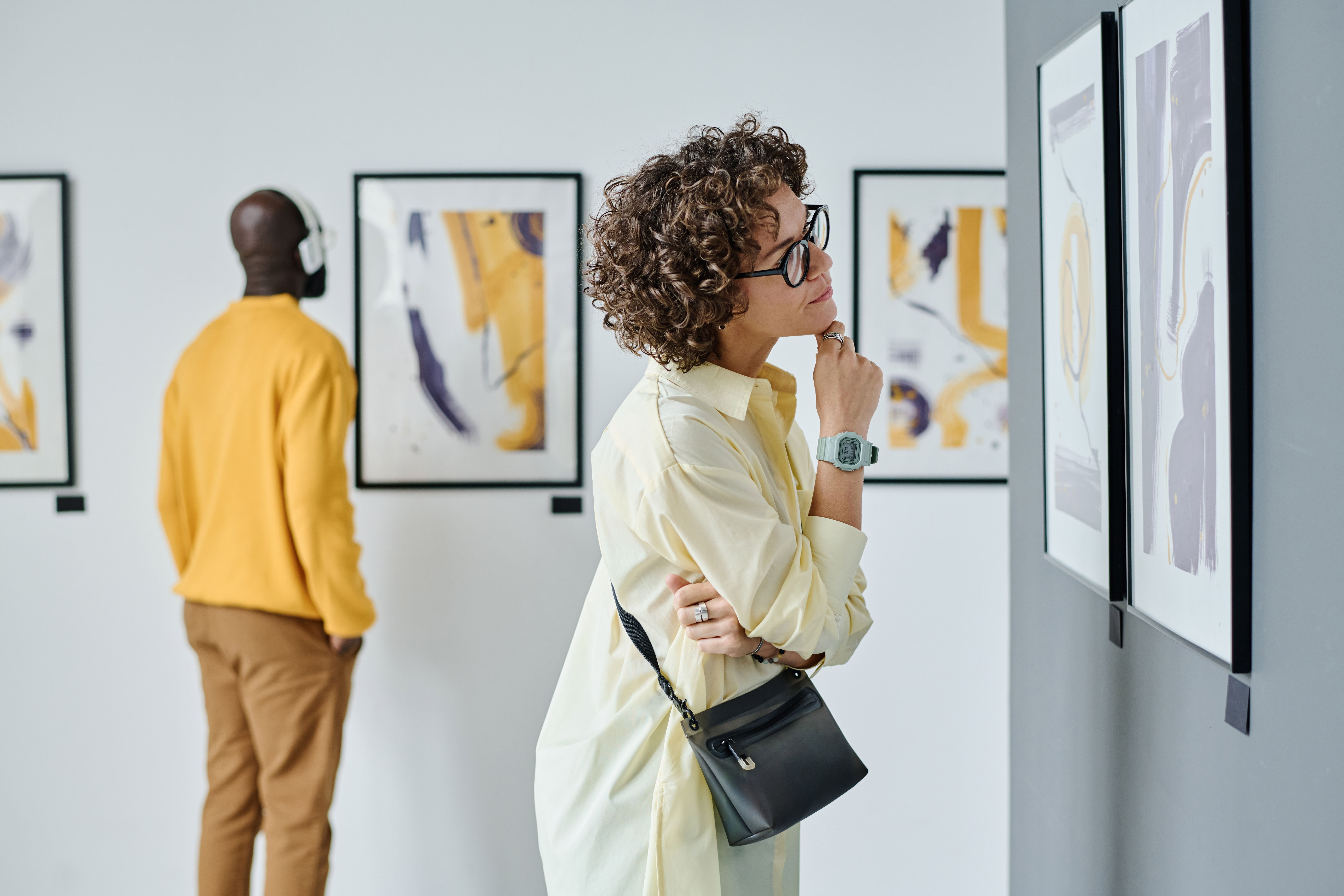
Editorial photography in museums isn't limited to static objects. Incorporating human elements can add dynamism and relatability to your photographs. Capturing the interaction between visitors and exhibits can illustrate the impact of the museum's narrative on its audience.
Photographers should aim to capture genuine moments of engagement. Whether it's a child's awe at a dinosaur skeleton or a scholar's contemplation of a historical document, these interactions add a human touch that resonates with viewers.
Using Technology for Enhanced Storytelling
Advancements in technology offer new opportunities for editorial photographers. Techniques such as panoramic shots, drone photography, and virtual reality can provide fresh perspectives and immersive experiences for museum-goers.
For example, panoramic images can capture the grandeur of a large exhibit, while drone photography offers unique aerial views. These innovative techniques can be used to create interactive displays, allowing visitors to engage with exhibits in new and exciting ways.
Editing for Impact
Post-processing is a vital step in editorial photography. Editing allows photographers to enhance colors, adjust lighting, and fine-tune details to ensure that the final image aligns with the exhibit's narrative.
When editing, it's important to maintain the authenticity of the photograph. Over-editing can detract from the realism and historical accuracy of the image. Aim for a balance that enhances the photograph without overshadowing its natural beauty.

Collaborating with Curators
Successful editorial photography in museums often involves collaboration with curators. Curators provide valuable insights into the exhibit's theme and objectives, guiding photographers in capturing images that support the desired narrative.
Regular communication between photographers and curators ensures that the photographs align with the exhibit's vision. This collaborative approach results in a more cohesive and impactful presentation.
Conclusion
Editorial photography is an invaluable tool in the world of museum exhibits. By employing thoughtful techniques and embracing new technologies, photographers can create compelling visual narratives that enhance the visitor experience. As museums continue to evolve, so too will the role of editorial photography in storytelling.