How Editorial Photography Shapes Museum Exhibits and Visitor Experience
HM
The Role of Editorial Photography in Museums
Museums have long served as guardians of history, art, and culture. In recent years, editorial photography has emerged as a vital component in shaping museum exhibits and enhancing the visitor experience. This form of photography not only documents exhibits but also tells compelling stories that captivate and educate audiences.
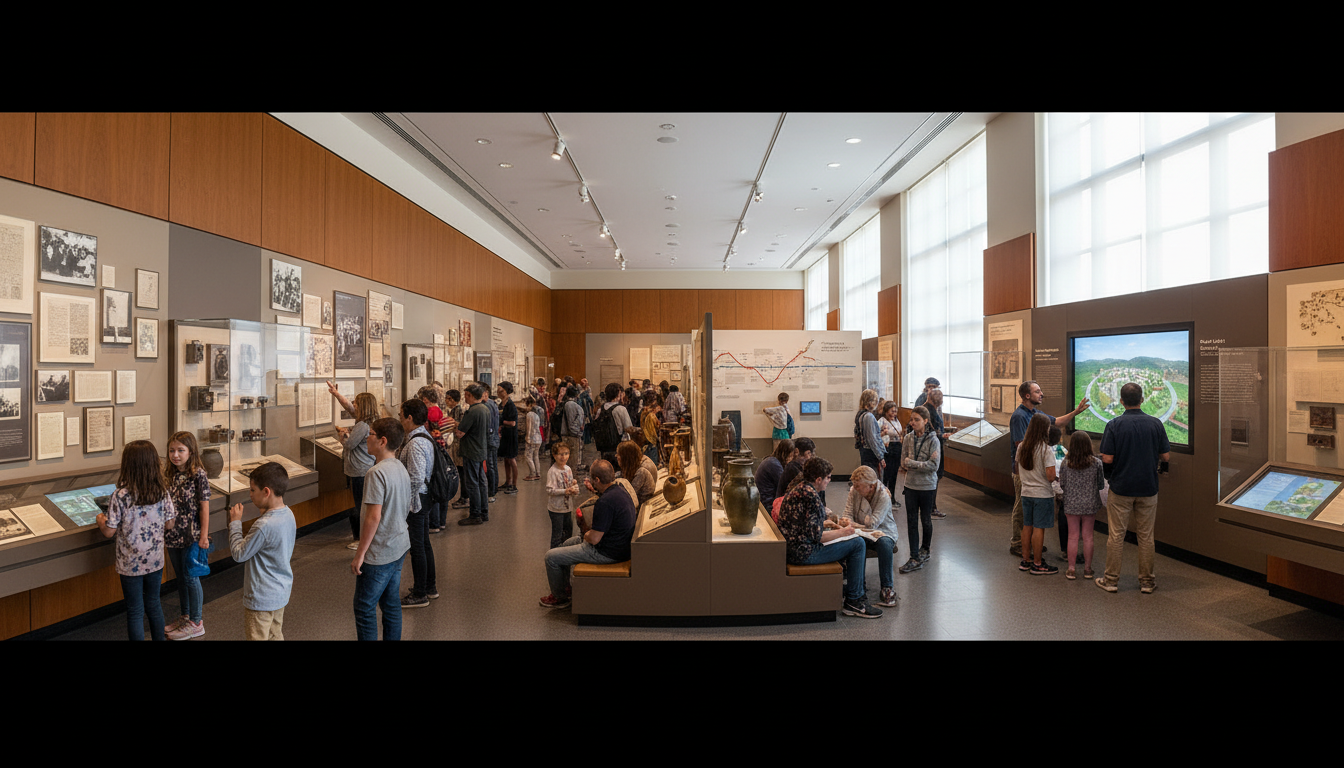
Editorial photography is unique because it goes beyond mere documentation. It captures the essence, emotion, and narrative of an exhibit, providing a deeper understanding of the subject matter. By incorporating editorial photography, museums can transform static displays into dynamic experiences that engage visitors on multiple levels.
Enhancing Storytelling Through Visuals
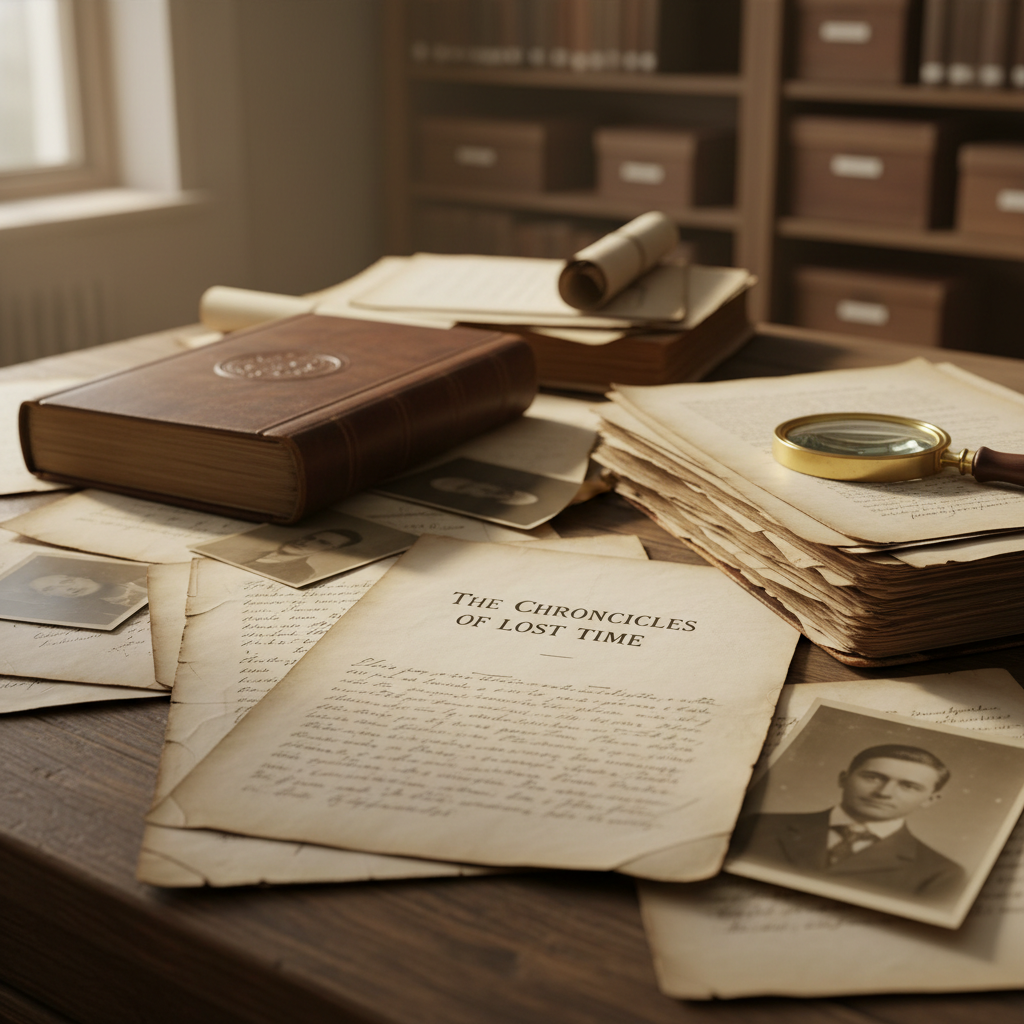
One of the primary ways editorial photography shapes museum exhibits is through enhanced storytelling. Photographs can convey emotions and stories that resonate with visitors, drawing them into the narrative. This visual storytelling can be especially powerful in historical exhibits, where images bring past events to life.
By using editorial photography, curators can create a cohesive narrative that ties together various elements of an exhibit. This approach ensures that visitors not only see the artifacts but also understand their significance within a broader context.
Engaging Diverse Audiences
Editorial photography is also instrumental in engaging diverse audiences. Visual content transcends language barriers, making it accessible to a wider range of people. This inclusivity is crucial for museums aiming to reach global audiences or those with varied backgrounds.
- Photography provides an immediate connection.
- It enhances understanding without the need for extensive text.
- Images evoke emotions, making exhibits more memorable.
By appealing to different senses, museums can offer a richer and more inclusive experience that resonates with all visitors.

The Impact on Visitor Experience
Editorial photography significantly impacts the overall visitor experience. It creates an immersive environment where visitors feel connected to the subject matter. This connection can lead to increased visitor satisfaction and a more meaningful interaction with the exhibits.
Moreover, the use of high-quality imagery can influence the way visitors perceive the museum and its collections. It can elevate the museum's reputation as a place of innovation and creativity, attracting more visitors and encouraging repeat visits.
Challenges and Considerations
While editorial photography offers numerous benefits, it also presents challenges. Museums must carefully select images that align with their mission and the themes of their exhibits. They must also consider ethical implications, such as cultural sensitivity and copyright issues.
- Select images that enhance the exhibit's theme.
- Ensure cultural sensitivity in image selection.
- Address copyright and usage rights.
By addressing these challenges, museums can effectively integrate editorial photography into their exhibits, maximizing its potential to enrich the visitor experience.

In conclusion, the integration of editorial photography in museum exhibits offers a powerful tool for storytelling and engagement. By connecting with visitors on an emotional level, museums can create lasting impressions and foster a deeper appreciation for art, history, and culture. As museums continue to evolve, the role of editorial photography will undoubtedly grow, shaping the way we experience and understand the world around us.