Mastering Art Photography: Techniques for Magazine-Worthy Shots
HM
Understanding the Basics of Art Photography
Art photography is more than just capturing a moment; it's about conveying a story or emotion through images. To create magazine-worthy shots, one must first grasp the fundamentals of composition, lighting, and perspective. These elements work together to form the foundation of a captivating photograph.
Composition involves arranging elements within the frame to create a balanced and engaging image. Techniques such as the rule of thirds, leading lines, and framing can guide the viewer's eye and enhance the visual appeal. Mastering these techniques will significantly improve the quality of your photos.
Lighting: The Key to Mood and Emotion
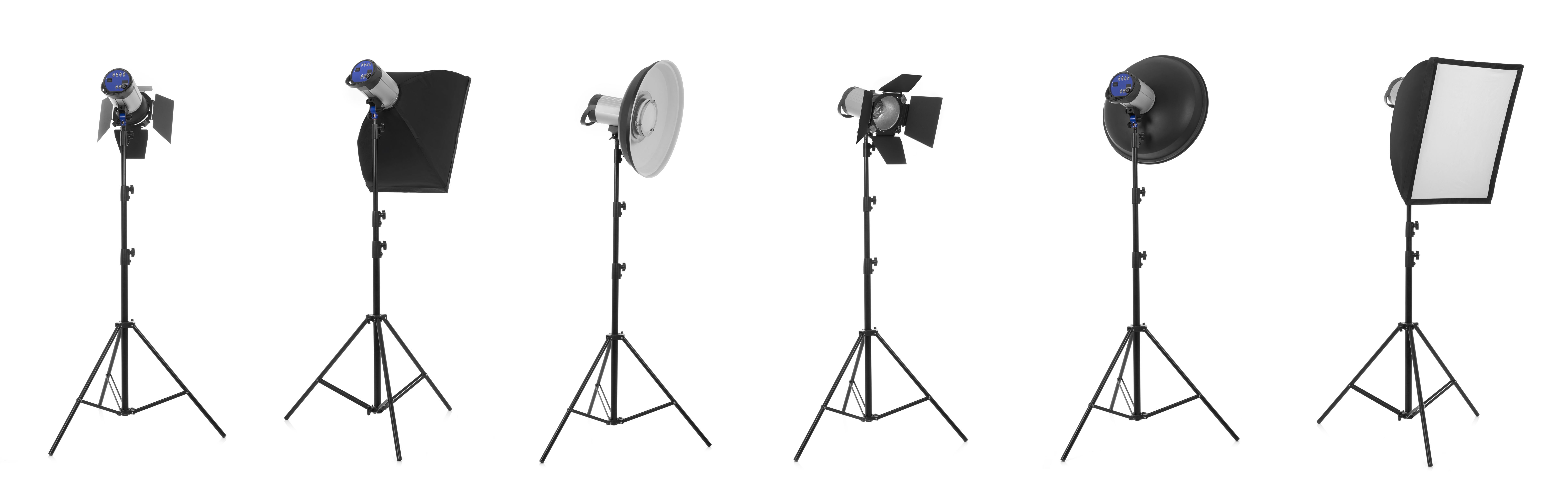
Lighting plays a crucial role in art photography, as it can dramatically alter the mood and emotion of a shot. Natural light is often preferred for its soft and flattering qualities, but artificial lighting can also be used creatively to achieve desired effects. Experimenting with different light sources and angles can lead to stunning results.
Understanding how to manipulate shadows and highlights is essential. Shadows can add depth and dimension, while highlights can draw attention to specific areas of the image. By practicing with various lighting setups, photographers can develop a keen eye for creating striking compositions.
Exploring Perspective and Depth
Perspective is another vital component in creating engaging art photography. By altering the angle and distance from the subject, photographers can introduce a sense of depth and intrigue. Shooting from unusual angles or using wide-angle lenses can provide a fresh perspective and make ordinary scenes extraordinary.
Depth of field is also an important tool in the art photographer's arsenal. By controlling the aperture, photographers can isolate subjects from the background, creating a sense of focus and clarity. This technique is particularly effective in portrait and still-life photography.

Post-Processing: Enhancing Your Vision
Post-processing is an essential step in bringing your artistic vision to life. Software tools like Adobe Lightroom and Photoshop offer powerful capabilities to adjust color, contrast, and exposure. These tools allow photographers to refine their images and emphasize specific elements that contribute to the overall composition.
While post-processing can enhance an image, it's important to maintain a balance and avoid over-editing. The goal is to complement the photograph's natural beauty, not overshadow it. Consistent practice and a subtle touch can lead to stunning, magazine-worthy results.

Developing Your Unique Style
Every artist has a unique voice, and photography is no exception. Developing a distinct style involves experimenting with various techniques and subjects to discover what resonates with you. Study the works of renowned photographers, but always strive to inject your personal touch into your creations.
Over time, your style will evolve, reflecting your growth as an artist. By staying true to your vision and continuously honing your skills, you can produce compelling art photography that captivates and inspires audiences.