Mastering Editorial Photography: Techniques for Museum Exhibitions
HM
Understanding Editorial Photography for Museums
Editorial photography in a museum setting is both a challenge and an art form. It requires capturing the essence of artworks, exhibits, and spaces, while also telling a compelling story. For photographers, mastering this art can elevate a museum exhibition, providing context and depth that resonate with visitors.
Museum photography demands a keen eye and a deep understanding of light, composition, and narrative. Each exhibition is unique, bringing its own story, scale, and lighting conditions. By understanding these elements, photographers can create images that not only document but also enhance the visitor experience.
Lighting Techniques for Indoor Spaces
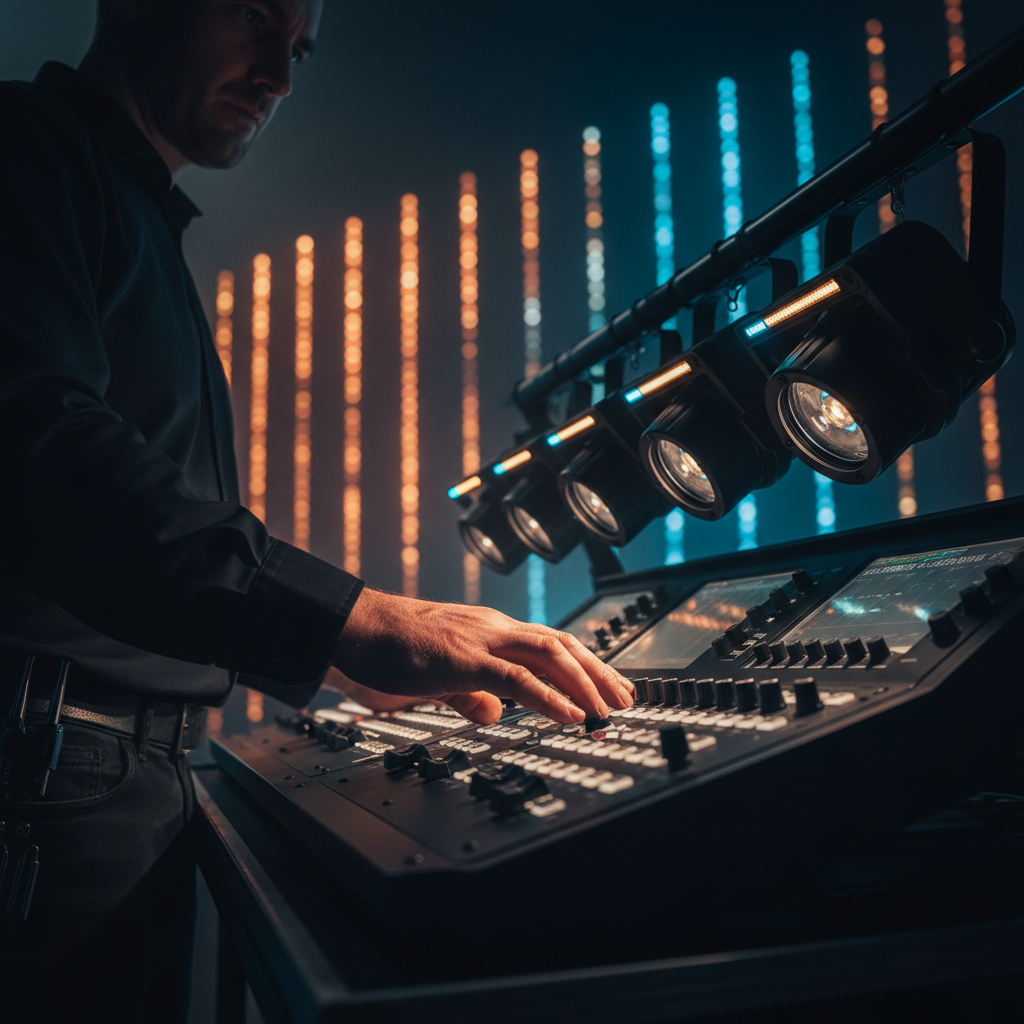
Lighting is one of the most critical aspects of editorial photography in museums. Many museums have controlled lighting to preserve artworks, which can pose a challenge for photographers. Utilizing natural light, when available, can add warmth and authenticity to your photos.
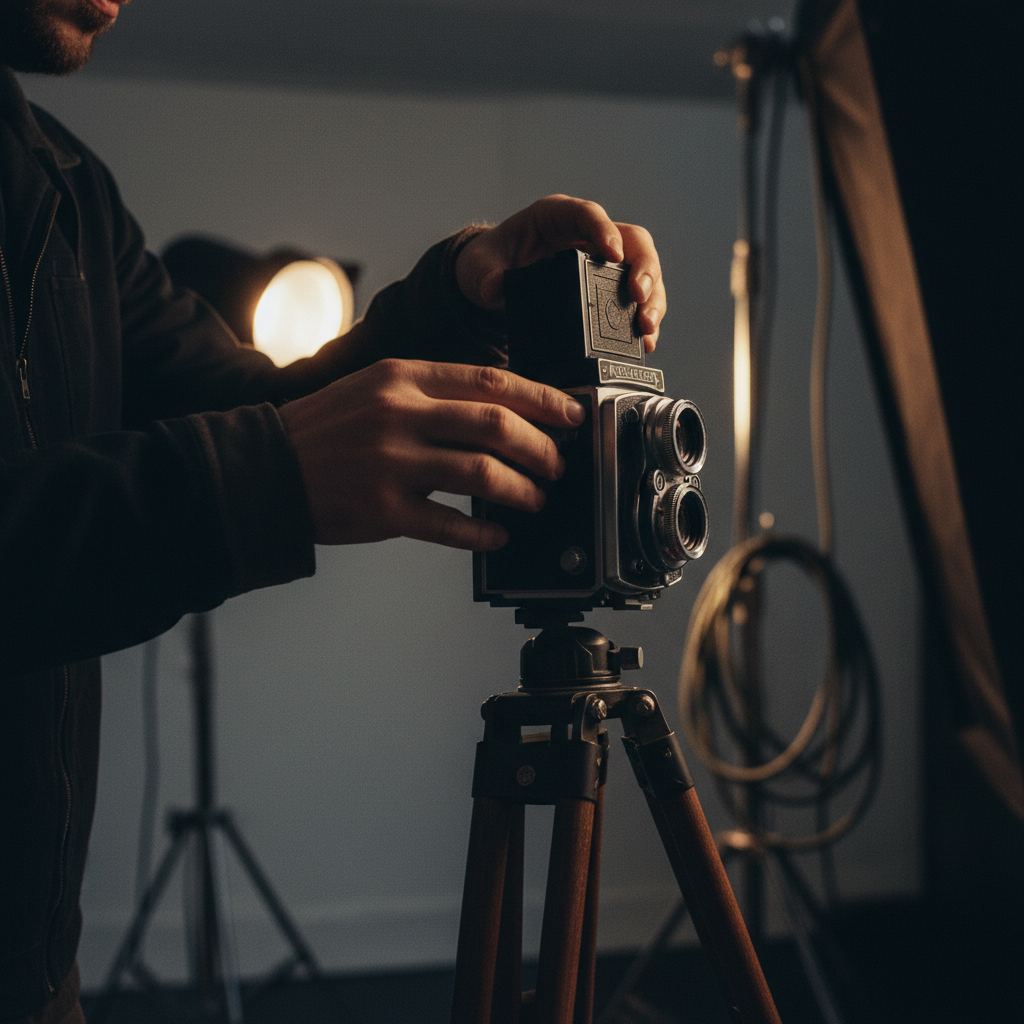
In low-light situations, photographers should consider using a tripod to avoid camera shake and ensure crisp images. Additionally, experimenting with different exposure settings can help capture the details and textures of artworks without overexposing.
Using Reflectors and Diffusers
Reflectors and diffusers can be indispensable tools in a museum setting. Reflectors help bounce light into shadowy areas, while diffusers soften harsh lights, preventing glare and highlighting the artwork’s true colors.
Composition and Framing
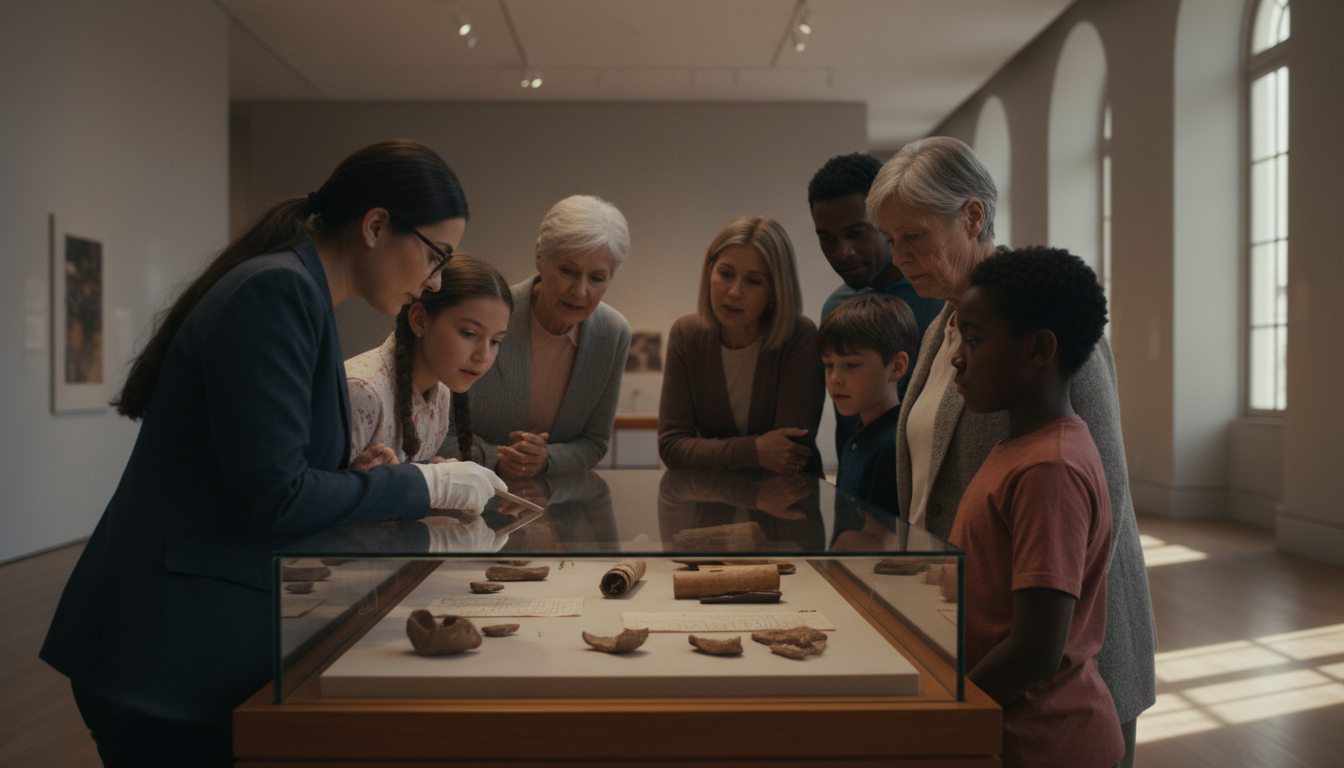
Composition is crucial in editorial photography, especially when photographing museum exhibitions. Consider the rule of thirds to create balanced and harmonious images. Including visitors in the frame can add scale and context, making the images more relatable and engaging.
Framing shots to include multiple elements of an exhibition can tell a more comprehensive story. For example, capturing an artwork alongside its description or a visitor's interaction can provide a fuller narrative.
Using Lines and Angles
Lines and angles can guide the viewer’s eye through the photograph. Utilizing architectural elements within the museum, such as staircases or corridors, can create dynamic compositions that lead to the focal point—the artwork.
Telling a Story Through Images
Editorial photography is not just about capturing single moments; it's about weaving a story. A successful series of photographs from a museum exhibition will guide the viewer through the exhibit, conveying the curator's intended narrative.
When planning shots, consider the exhibit’s theme and how each photograph can contribute to a cohesive story. This approach will not only create impactful images but also enhance the overall exhibition experience for viewers.
Capturing Emotions and Reactions
Including human elements, such as visitor reactions and interactions, can bring life to your images. Capturing candid moments of awe or contemplation adds emotional depth and makes the story more relatable.
Post-Processing for Museum Photography
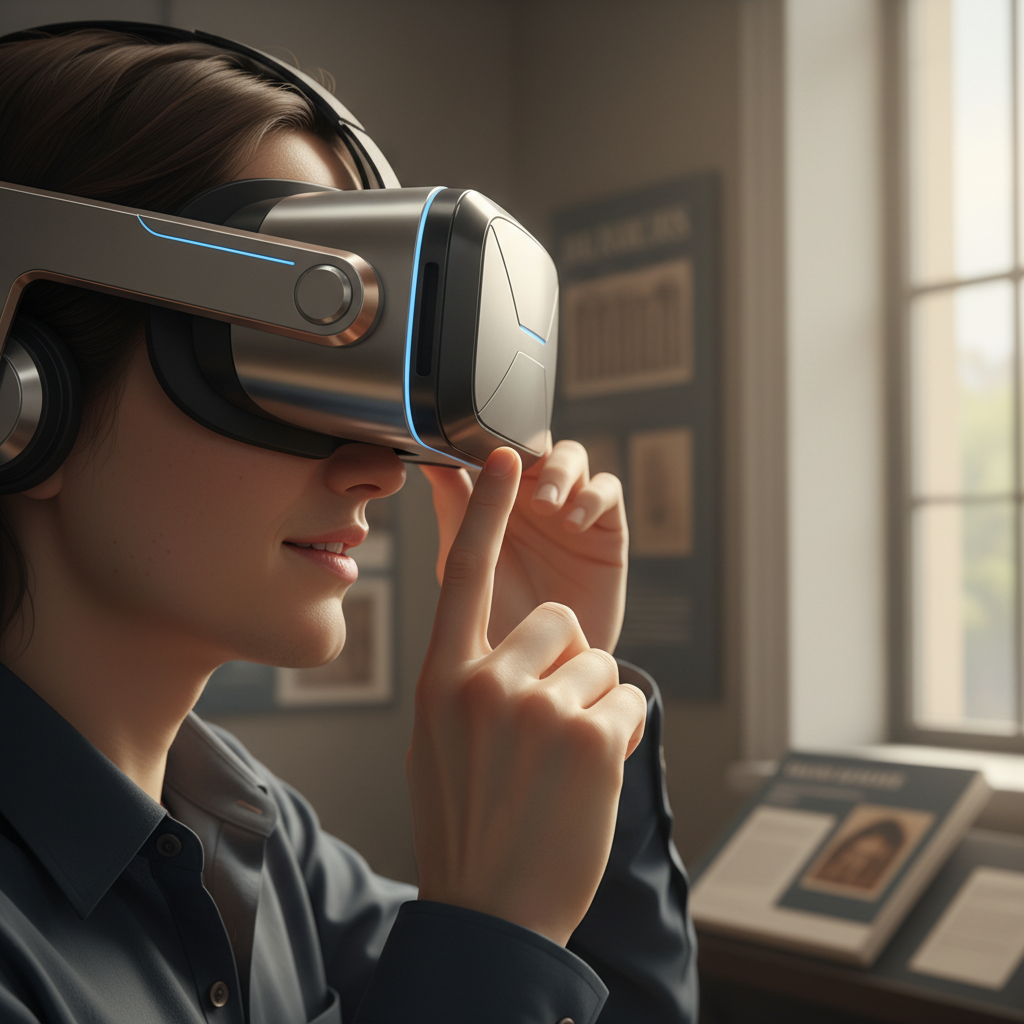
Post-processing is an essential step in editorial photography. Adjusting contrast, brightness, and color balance can help bring out the best in your images. However, it's crucial to maintain the integrity of the artworks by avoiding excessive edits that alter their appearance.
Using software tools to correct lens distortion or adjust the perspective can also be beneficial, especially when shooting with wide-angle lenses in tight museum spaces.
Preserving Authenticity
While enhancing images, always strive to preserve the authenticity of the artworks and the exhibition space. The goal is to represent the exhibition as faithfully as possible, ensuring that viewers experience the museum's true essence through your photographs.