Mastering the Art of Editorial Photography: A Guide for Aspiring Photographers
HM
Understanding Editorial Photography
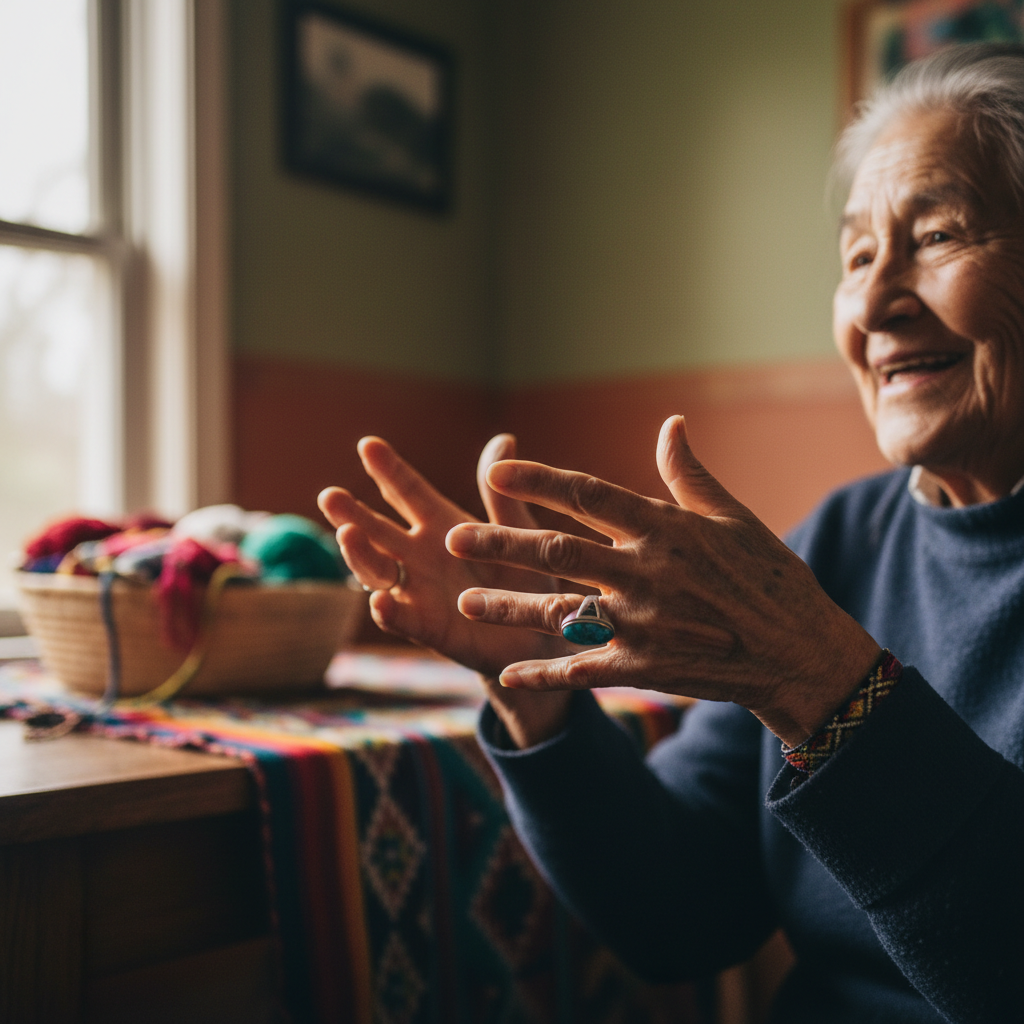
Editorial photography is a unique blend of storytelling and visual artistry. Unlike commercial photography, which aims to sell a product, editorial photography focuses on conveying a narrative or concept. This form of photography is often used in magazines, newspapers, and online publications to complement written content and provide a deeper insight into the subject matter.

Developing Your Style
To master editorial photography, developing a distinct style is crucial. Your style should reflect your perspective and the stories you want to tell. Experimenting with different techniques, lighting, and compositions can help you find your voice. Remember, consistency is key in building a recognizable style that sets you apart from other photographers.
Understanding the Narrative
Before you start shooting, take time to understand the narrative you are trying to convey. This involves researching the subject, understanding the context, and identifying the emotions or messages you wish to highlight. A well-defined narrative will guide your creative decisions and ensure your images resonate with the audience.
Technical Skills and Equipment
While creativity is essential, mastering the technical aspects of photography is equally important. Familiarize yourself with your camera settings, lenses, and other equipment. Understanding how to manipulate light and shadows can transform an ordinary scene into a captivating image. Invest in quality equipment that suits your needs and enhances your creative capabilities.
Post-Processing Techniques
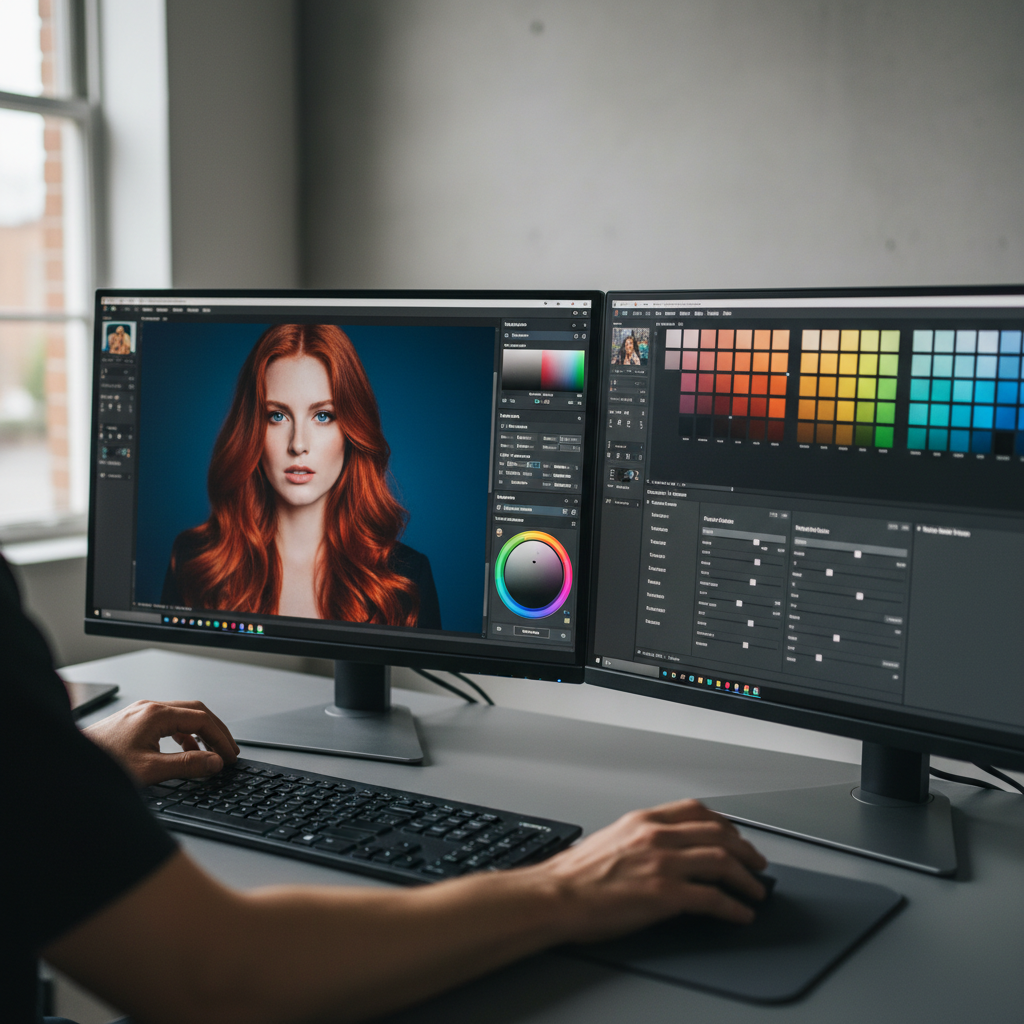
Post-processing is a vital part of editorial photography. It allows you to refine your images and enhance their storytelling potential. Learn to use editing software to adjust colors, contrast, and sharpness. However, be careful not to over-edit, as this can detract from the authenticity and emotional impact of your photographs.
Building a Portfolio
A strong portfolio is essential for aspiring editorial photographers. It showcases your skills, style, and versatility. Include a variety of work that highlights your ability to tell diverse stories through images. Keep your portfolio updated and tailor it to the type of editorial work you wish to pursue.
Networking and Collaboration
Networking is a powerful tool in the photography industry. Connect with other photographers, editors, and industry professionals through social media, workshops, and photography events. Collaboration can open doors to new opportunities and provide fresh perspectives that enhance your creative process.

Staying Inspired and Informed
Finally, staying inspired and informed is crucial for continuous growth as an editorial photographer. Follow the work of established photographers, read industry publications, and engage with a community of creatives. Inspiration can come from anywhere, so keep an open mind and continue learning to refine your craft.