Photo Essays vs. Traditional Articles: A Visual Storytelling Comparison
HM
Understanding the Art of Visual Storytelling
In the world of content creation, storytelling is a powerful tool. Whether through words or images, the ability to convey a narrative captivates audiences. Two popular formats are photo essays and traditional articles, each offering unique advantages for telling stories. This post explores their differences, illustrating how each can be leveraged effectively.

What is a Photo Essay?
A photo essay is a series of photographs that collectively tell a story or explore a theme. It relies on visual elements to convey emotions, actions, and context. The images are usually accompanied by brief captions or a minimal amount of text to provide clarity and enhance the narrative.
Photo essays are powerful because they allow viewers to interpret the story visually, often eliciting a more emotional response. They are particularly effective in showcasing events, cultures, or personal stories where imagery speaks louder than words.
The Strength of Traditional Articles
Traditional articles, on the other hand, use written language as their primary medium to inform, persuade, or entertain. They offer detailed insights, thorough explanations, and in-depth analysis. This format is ideal for exploring complex subjects that require context, background information, or detailed arguments.

Benefits of Traditional Articles
Traditional articles provide a structured way to present facts, opinions, and narratives. Some of their benefits include:
- In-depth analysis: Allows for comprehensive exploration of topics.
- Clarity and precision: Words can precisely convey complex ideas.
- Literary expression: Enables creative use of language to engage readers.
Comparing the Impact
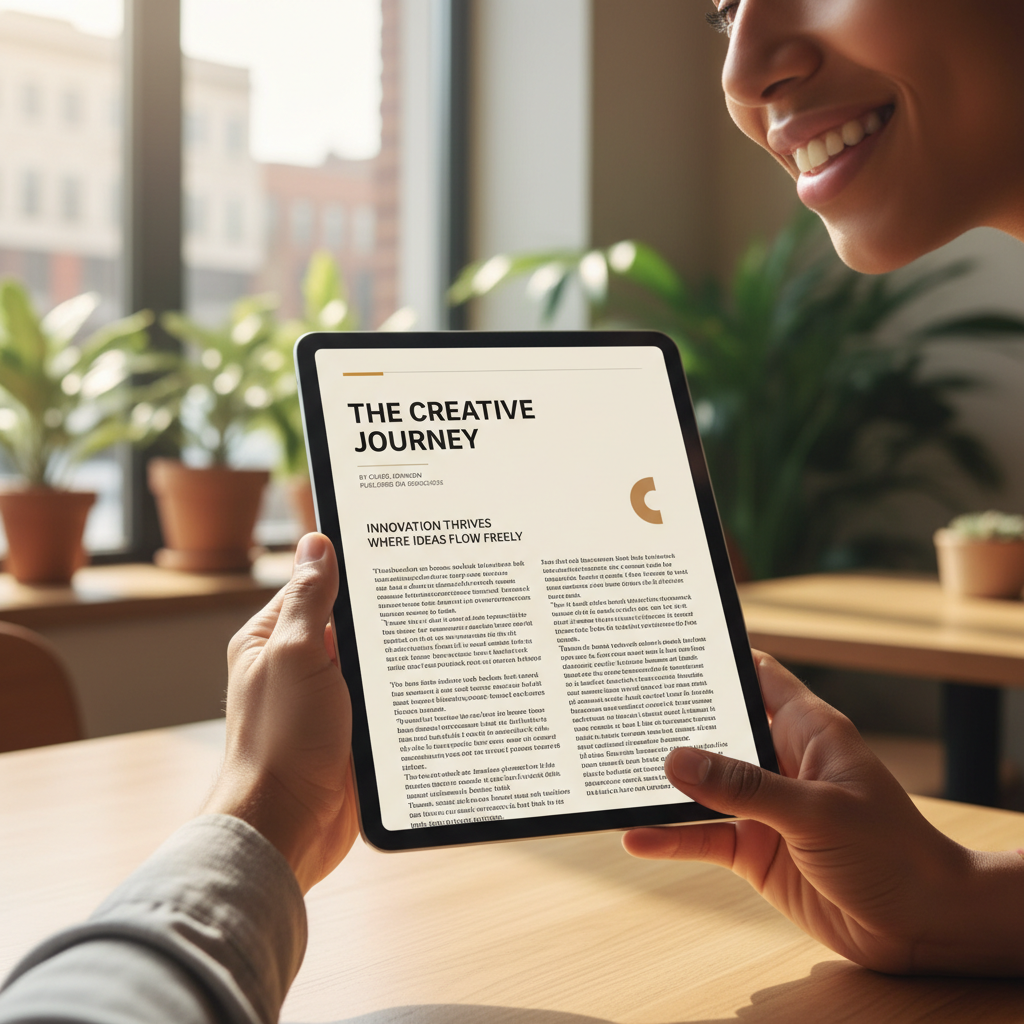
Both photo essays and traditional articles have their place in storytelling. The choice between them depends on the intended audience, the nature of the story, and the desired impact. Photo essays can leave a lasting visual impression, while traditional articles can provide a more detailed understanding.
Choosing the Right Format
When deciding which format to use, consider the following:
- Audience: Are they more visually oriented or prefer detailed reading?
- Content type: Does the story benefit from visual elements or detailed explanations?
- Objective: Is the goal to evoke emotion or provide information?
Conclusion: A Harmonious Blend
In many cases, integrating both photo essays and traditional articles can offer a balanced approach. A well-crafted article enriched with compelling images can provide both depth and emotional engagement. By understanding the strengths of each format, content creators can choose the most effective method to tell their stories.