Photography Workshops: What to Expect and How to Prepare
HM
Introduction to Photography Workshops
Photography workshops offer an incredible opportunity for both amateur and professional photographers to enhance their skills, learn new techniques, and connect with like-minded individuals. Whether you're looking to improve your landscape photography or master portrait techniques, workshops provide a focused environment for growth and creativity.
Types of Workshops Available
Photography workshops come in various forms, each catering to different interests and skill levels. Some common types include:
- Landscape Photography: Explore natural settings and learn to capture stunning vistas.
- Portrait Photography: Focus on lighting, posing, and capturing the essence of your subject.
- Street Photography: Improve your ability to capture candid moments in urban environments.
- Post-Processing: Enhance your editing skills using popular software like Adobe Lightroom or Photoshop.
What to Expect During a Workshop
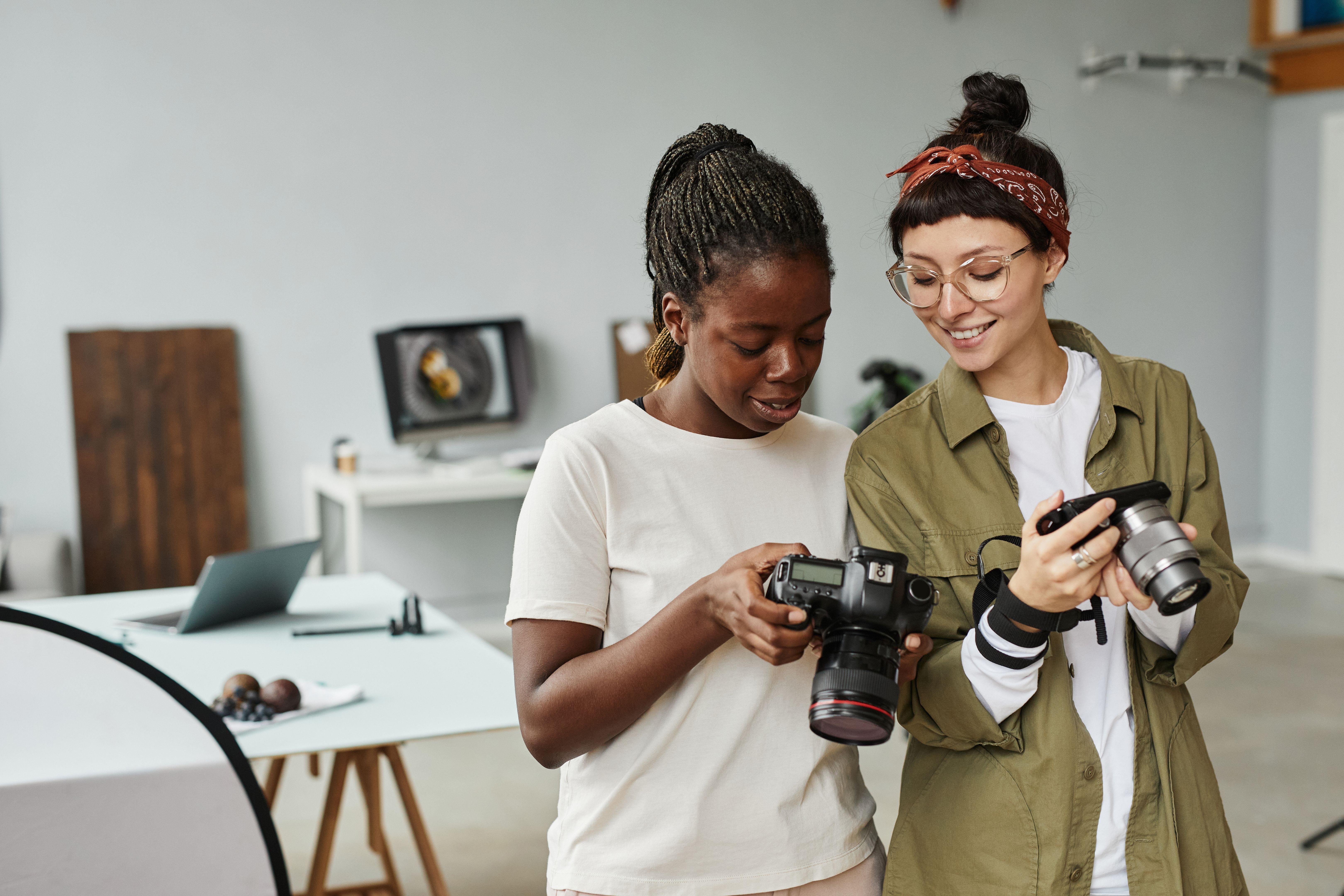
Workshops typically combine theoretical learning with practical exercises. Expect to spend time in lectures or discussions, followed by hands-on practice in the field. Instructors often provide personalized feedback, helping you refine your skills and develop your unique style. Additionally, workshops often include group critiques, where participants share their work and receive constructive feedback.

Preparing for Your Workshop
Proper preparation can greatly enhance your workshop experience. Here are some tips to help you get ready:
Research the Instructor and Location
Understanding the instructor's background and teaching style can provide insight into what you'll learn. Look for reviews or testimonials from past participants. Additionally, familiarize yourself with the workshop location, ensuring you pack appropriate gear and clothing for the environment.
Gather the Right Equipment
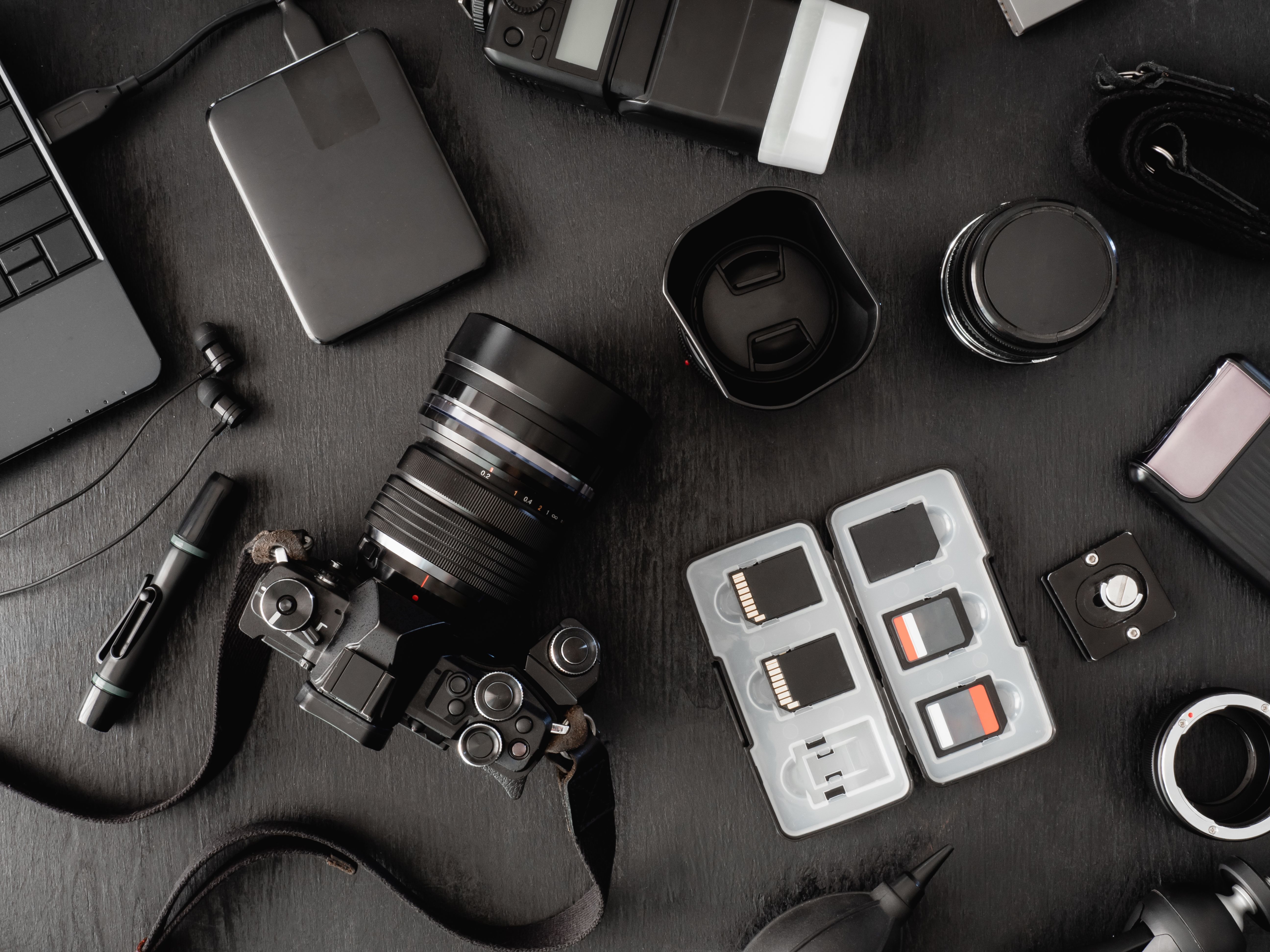
Make sure you have the necessary equipment for the workshop. This may include:
- Camera and Lenses: Bring your primary camera and a selection of lenses suitable for the workshop focus.
- Tripod: Essential for landscape and low-light photography.
- Accessories: Extra batteries, memory cards, and filters.
- Notebook: For jotting down tips and insights during sessions.
Set Clear Goals
Before attending the workshop, identify what you hope to achieve. Whether it's mastering a new technique or improving composition skills, having clear goals will help you focus and get the most out of the experience.
Maximizing Your Workshop Experience
During the workshop, stay engaged and open to learning. Don't hesitate to ask questions or seek clarification. Networking with fellow participants can also provide additional learning opportunities and potential collaborations in the future. Remember, the more you put into the experience, the more you'll gain.
Photography workshops are a fantastic way to grow your skills and inspire your creativity. By knowing what to expect and preparing adequately, you can ensure a rewarding and enjoyable experience.