The Art of Editorial Photography: Capturing Stories Beyond the Lens
HM
Understanding Editorial Photography
Editorial photography is more than just capturing images; it's about telling stories. Unlike commercial photography, which focuses on selling products, editorial photography aims to convey a deeper narrative. Whether it's a feature in a magazine or a compelling online article, these images provide context and emotion that words alone cannot.

The essence of editorial photography lies in its ability to evoke feelings and provoke thought. A well-captured image can speak volumes, transcending language barriers and cultural differences. It's a powerful medium that invites viewers to explore and engage with the story being told.
The Role of the Photographer
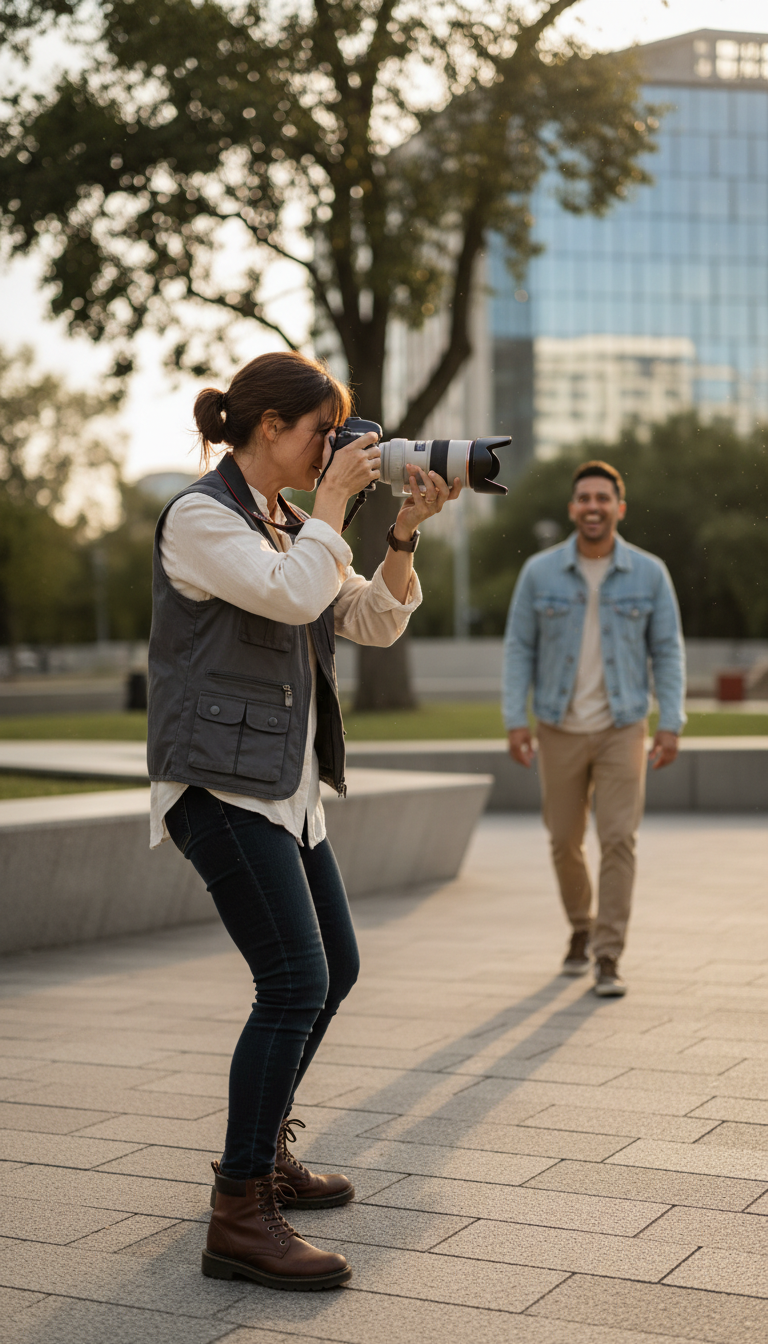
The photographer's role in editorial photography is multifaceted. They must be storytellers, artists, and observers all at once. This requires a keen eye for detail, a strong sense of composition, and the ability to capture the essence of the subject matter.
Effective editorial photographers often immerse themselves in the story, understanding the nuances and subtleties that need to be conveyed. They work closely with writers and editors to ensure that the images align with the narrative's tone and message.
Techniques for Capturing Compelling Images
Several techniques can enhance the storytelling aspect of editorial photography. Here are a few:
- Lighting: Mastering natural and artificial lighting can dramatically affect the mood and tone of the image.
- Composition: Using the rule of thirds or leading lines can guide the viewer's eye and emphasize the story.
- Emotion: Capturing genuine expressions and emotions adds authenticity to the story.
The Impact of Editorial Photography
Editorial photography has the power to influence opinions and spark change. By presenting stories visually, these images can highlight social issues, celebrate cultural diversity, and inspire action. They often serve as a catalyst for conversation, encouraging viewers to reflect on the world around them.
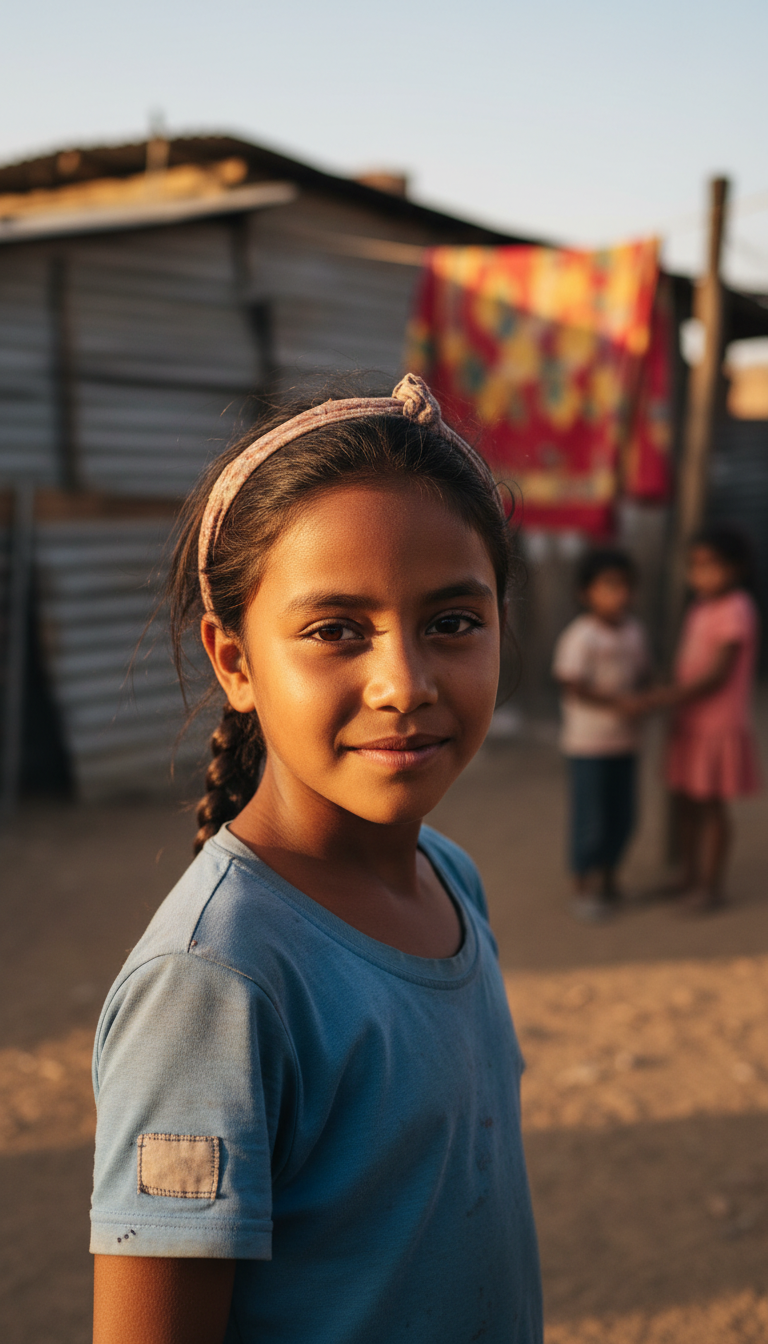
Moreover, editorial photography is a vital tool in journalism and media. It provides visual evidence and context, enhancing the credibility and impact of the written word. In a world where images are consumed rapidly, a striking editorial photograph can capture attention and leave a lasting impression.
Challenges and Opportunities
While editorial photography offers many opportunities, it also presents challenges. Photographers must navigate ethical considerations, such as respecting privacy and portraying subjects truthfully. Additionally, the rise of digital media has increased the demand for quick, high-quality content, pushing photographers to innovate continually.
Despite these challenges, the field of editorial photography is rich with opportunities for creativity and expression. As technology evolves, photographers have access to new tools and platforms to share their work, reaching broader audiences than ever before.
Conclusion: The Future of Editorial Photography
The art of editorial photography is continually evolving, adapting to changes in technology and society. Its ability to capture stories beyond the lens will always be invaluable. As we move forward, editorial photographers will continue to play a crucial role in shaping how we see and understand the world.