The Impact of Editorial Photography in Museums
HM
Understanding Editorial Photography in Museums
Museums are more than just repositories of art and history; they are dynamic spaces that engage the public. Editorial photography plays a pivotal role in this engagement by providing context, narrative, and a deeper understanding of the exhibits. Through carefully curated images, museums can tell compelling stories, enhancing the visitor experience and making art more accessible.
Editorial photography helps bridge the gap between the past and present, offering a visual dialogue that can resonate on multiple levels. By capturing the essence of an exhibit, these photographs can inspire curiosity and foster a greater appreciation for the subject matter.
The Role of Editorial Photography in Storytelling
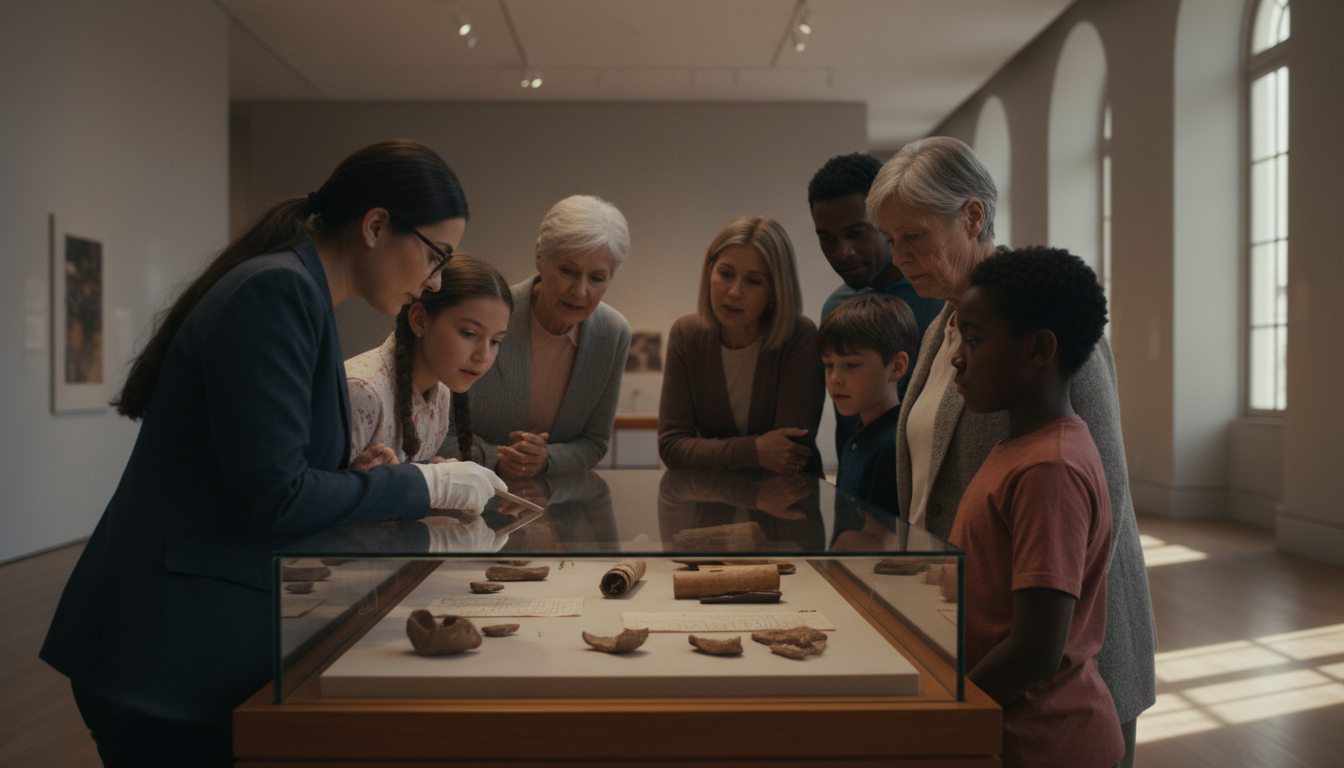
Editorial photography is not just about capturing images; it's about telling a story. In a museum setting, photographs can provide a narrative that complements the physical exhibits. They can highlight the significance of an artifact, showcase the artist's intent, or even explore the cultural context of a particular piece.
For instance, a photograph of an artist at work can add a personal dimension to an exhibit of their paintings. This storytelling aspect creates a more immersive experience for visitors, allowing them to connect with the art on a deeper level.
Enhancing Educational Outreach
Museums often serve an educational purpose, and editorial photography can significantly enhance this role. By incorporating detailed images, museums can create educational materials that are both informative and visually appealing. These resources can be used in school programs, workshops, and online platforms to reach a broader audience.
Engaging Diverse Audiences
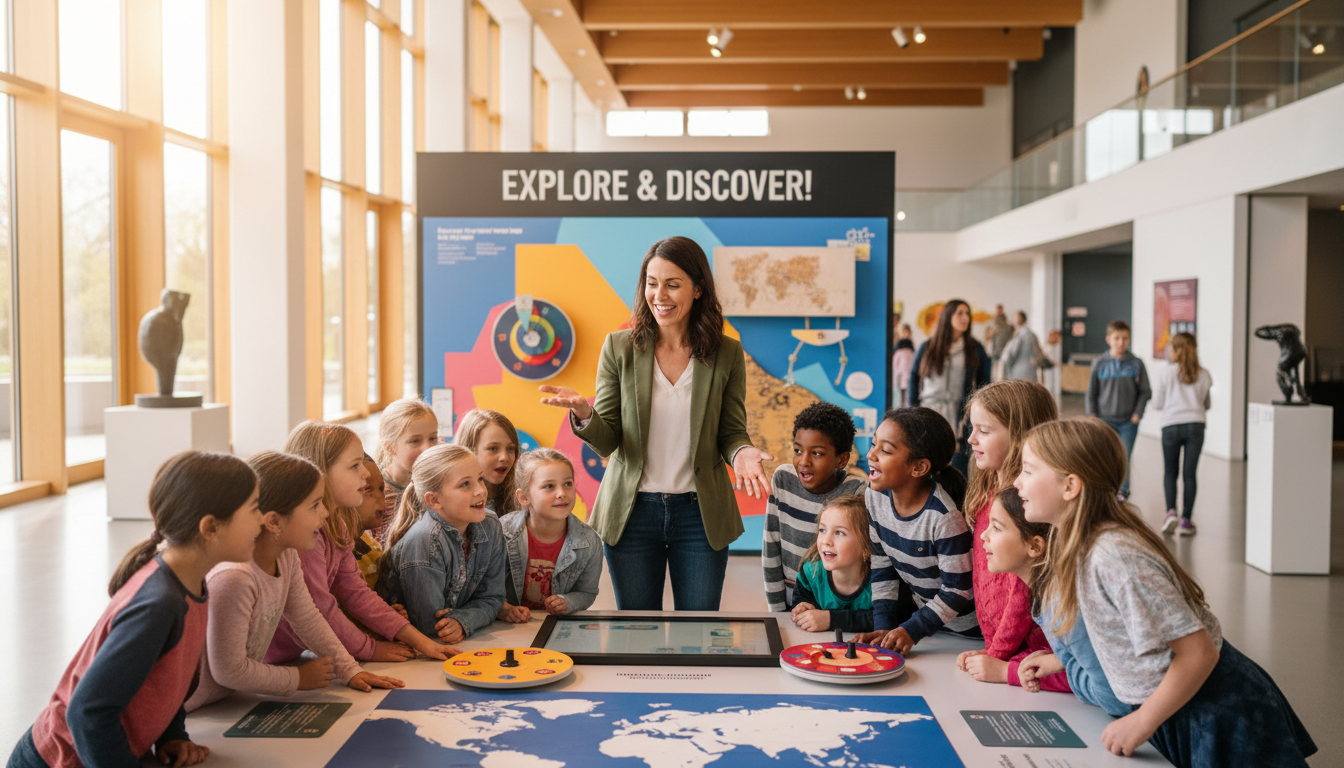
One of the challenges museums face is attracting a diverse audience. Editorial photography can be a tool to engage people of different ages, backgrounds, and interests. By showcasing diverse perspectives and stories, museums can appeal to a wider demographic.
Photographs that capture cultural diversity or highlight lesser-known historical narratives can draw in audiences who might not typically visit museums. This inclusivity not only enriches the museum experience but also promotes cultural understanding and appreciation.
Utilizing Social Media and Digital Platforms
In today's digital age, editorial photography has become an essential part of museums' online presence. High-quality images are crucial for social media engagement, website content, and virtual tours. They help museums reach a global audience, breaking down geographical barriers and inviting people from all over the world to explore their collections.

Conclusion: The Lasting Impact of Editorial Photography
The impact of editorial photography in museums extends beyond the walls of the institution. It plays a crucial role in shaping public perception, enhancing educational efforts, and promoting inclusivity. As museums continue to evolve, the importance of visual storytelling through editorial photography will only grow, ensuring that art and history remain relevant and engaging for future generations.