Transforming Museums with Editorial Photography: A Visual Journey
HM
The Power of Editorial Photography in Museums
Museums have long been revered as custodians of art, history, and culture. With the advent of editorial photography, these institutions are undergoing a transformative journey, redefining how we perceive and interact with exhibits. Editorial photography breathes life into static displays, offering a narrative that resonates with diverse audiences.
Editorial photography in museums serves as a bridge between the past and the present. By capturing the essence of exhibits through a creative lens, photographers provide context and emotion that traditional displays may lack. This approach not only enriches the visitor experience but also makes museums more accessible to a broader audience.
Enhancing Storytelling through Images
The art of storytelling is central to museums' missions, and editorial photography elevates this by weaving visual narratives. Each photograph is crafted to evoke emotions, provoke thought, and convey stories that are both educational and inspiring. Visitors are not just passive observers; they become part of the story.
By incorporating editorial photography, museums can highlight overlooked aspects of exhibits. Photographers can focus on details that might be missed, such as the texture of an ancient artifact or the expression of a historical figure. These elements add depth and richness to the overall narrative.

Engaging Modern Audiences
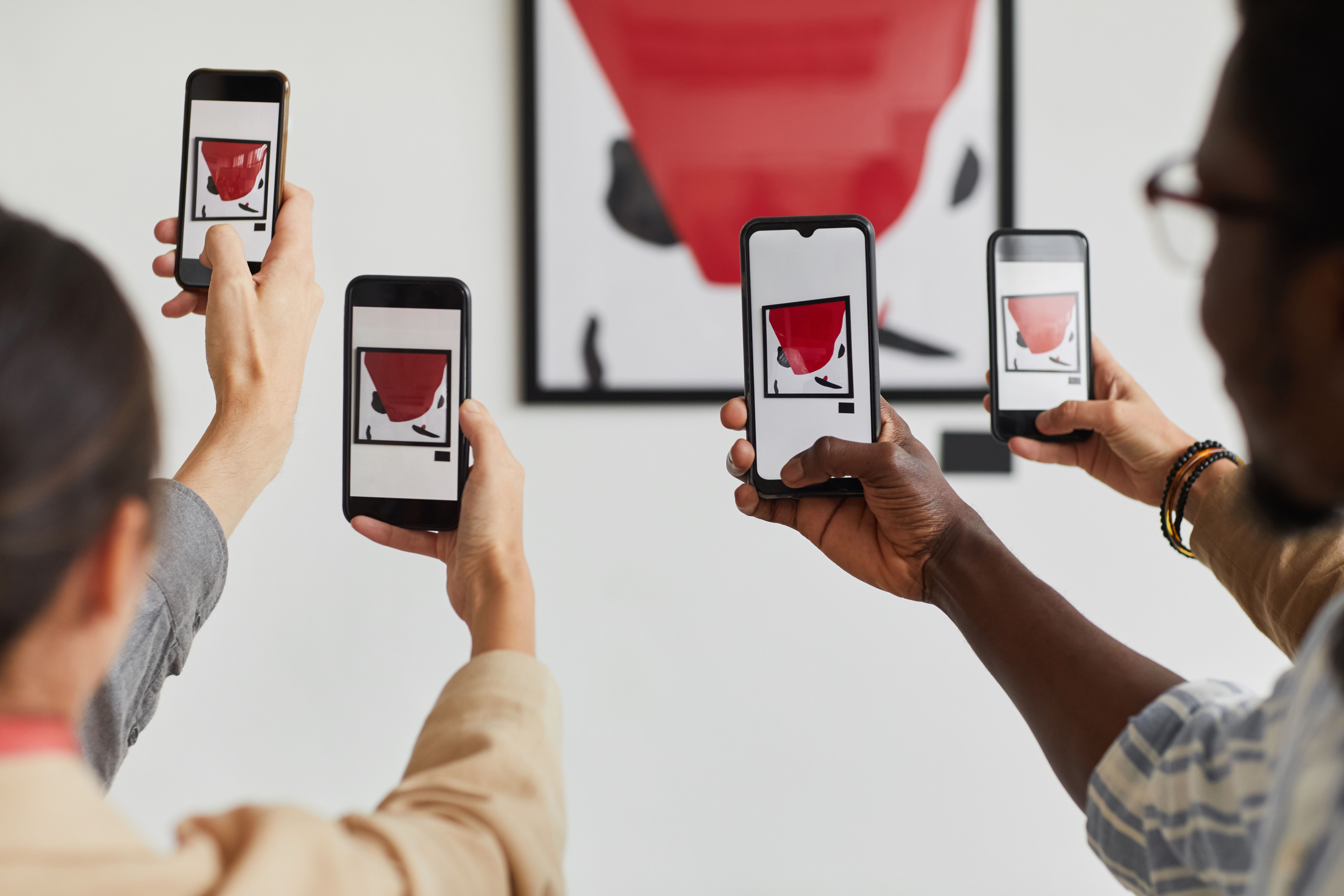
In today's digital age, engaging modern audiences is crucial for museums. Editorial photography plays a pivotal role in attracting younger, tech-savvy visitors who seek interactive and visually stimulating experiences. Museums can leverage social media platforms to share captivating images, driving interest and increasing foot traffic.
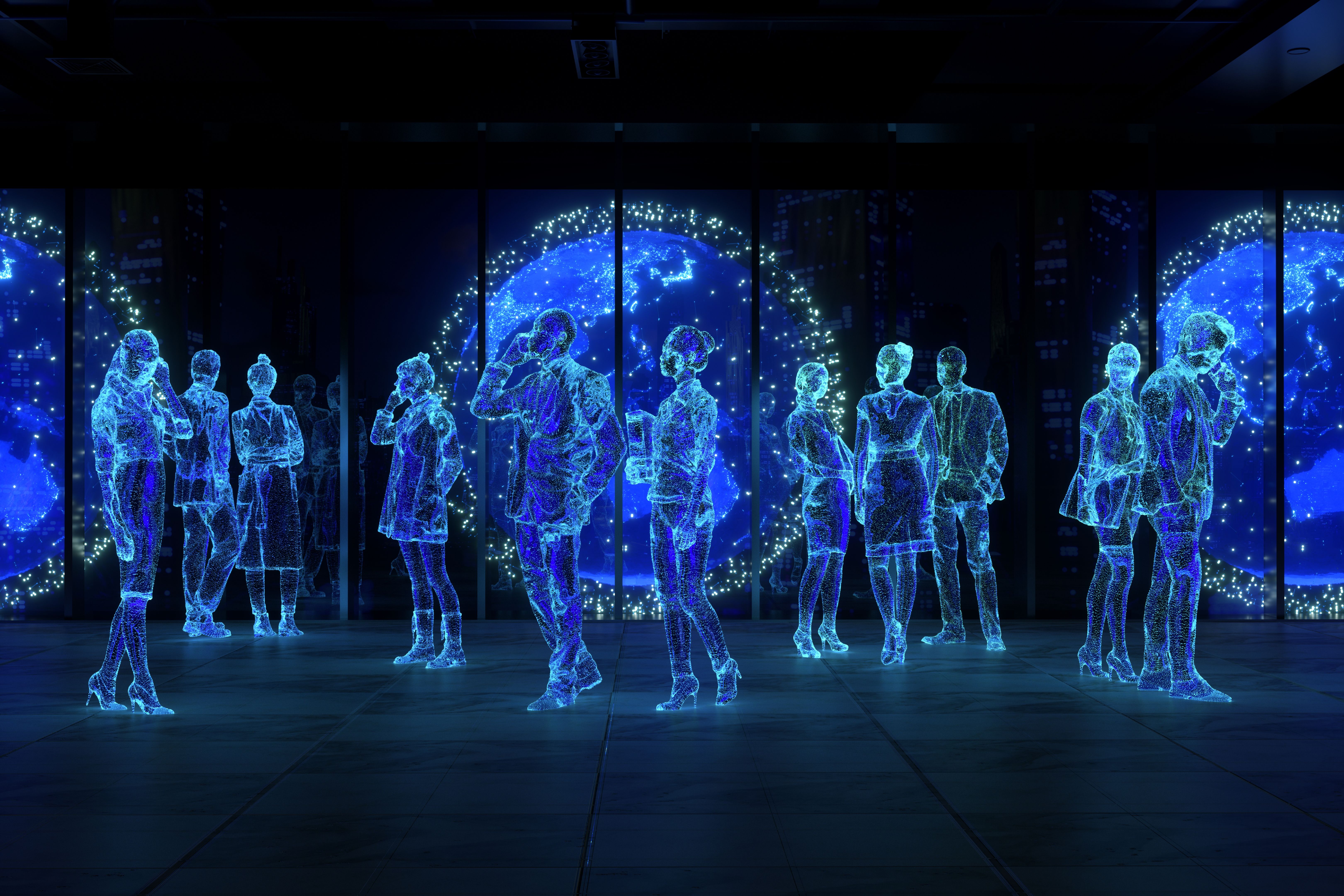
With editorial photography, museums can create dynamic virtual tours and digital exhibits, making art and history accessible to those who cannot visit in person. This digital transformation ensures that museums remain relevant and inclusive, reaching a global audience.
Preserving History with a Contemporary Twist
While preserving history is fundamental, editorial photography allows museums to present it with a contemporary twist. By blending historical narratives with modern-day contexts, museums can foster a deeper understanding of the past and its impact on the present.
This approach encourages dialogue and reflection, prompting visitors to consider how historical events shape current societal issues. It is an invitation to explore history not just as a series of events but as a living, breathing entity that continues to influence our world.
The Role of Collaboration
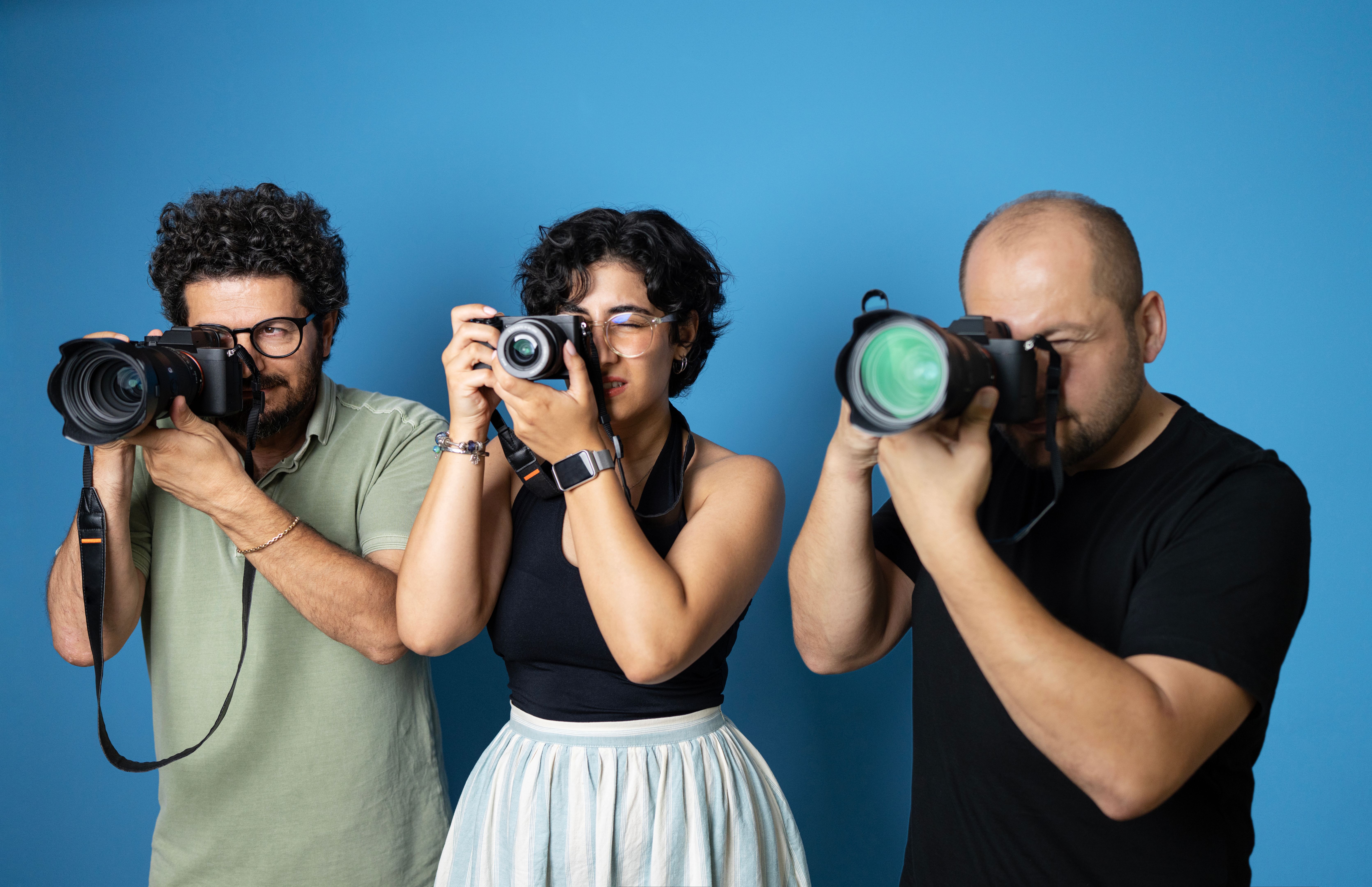
Collaboration between curators and photographers is essential in the successful integration of editorial photography in museums. Curators provide the historical context and expertise, while photographers bring creativity and a fresh perspective. Together, they create a cohesive and compelling visual narrative.
Such partnerships can lead to innovative exhibit designs and unique storytelling techniques, transforming how museums present their collections. This synergy enhances the visitor experience, ensuring that each exhibit is not only informative but also visually captivating.
Conclusion: A Visual Revolution
Editorial photography is revolutionizing the way museums connect with audiences. By transforming static displays into engaging visual journeys, museums can foster a deeper appreciation for culture and history. This evolution is not just about preserving the past; it’s about embracing the future of storytelling.
As museums continue to adapt and innovate, editorial photography will remain a crucial tool in their arsenal, ensuring that art and history remain vibrant and relevant for generations to come.